Who Is Buying 50 Tons of Books?
- by Michael Stillman
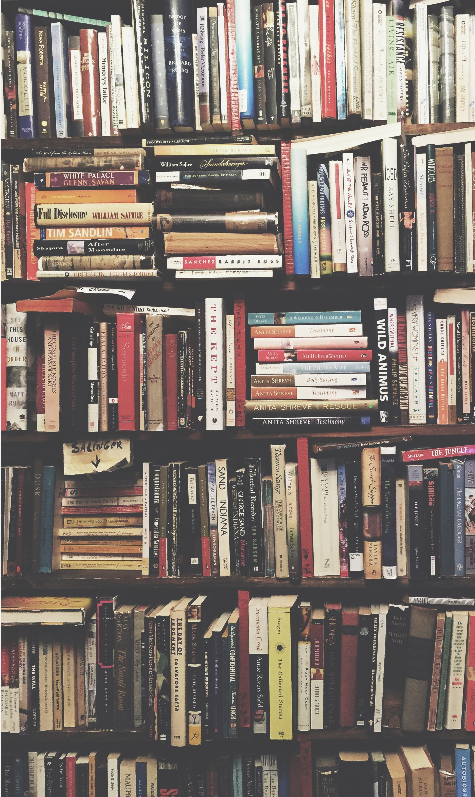
There are places that sell books by the pound. These obviously aren't particularly valuable books to be sold this way. Valuable books are sold individually, each at a substantial price. However, there have been some sales in Japan recently that go way beyond books by the pound. These are orders of books by the ton. One reported shipment was for 50 tons of goods labeled "Japanese Books." It has been estimated that this could represent 100,000-120,000 books. They were shipped from Japan to the United States. This is not a quantity a collector, let alone a reader, would buy. Who would?
Orders have come to Japanese used book dealers, perhaps a hundred books at a time. This is many times their normal daily volume. The books are to be sent to a common location in Japan, and shipped from there to a U.S. buyer. The types of books are also telling. They cover such fields as history, philosophy, politics, law, and medicine. They encompass such topics as life during the Edo period. What is not selling are types such as novels and comics.
Speculation quickly turned to the users who might want to access such a large number of nonfiction books. Those would be the AI (artificial intelligence) giants, such as Open AI's ChatGPT, Anthropic's Claude, and Google Gemini. They want facts, not fiction. Those services will answer virtually every question you ask them. The only way you can do this is to possess an enormous amount of knowledge, so their producers must pump huge amounts of data into them. Books provide a great amount of such data, much of which may not be available elsewhere. It serves these competitors well to provide their programs with as much data as they can. This explains why an AI search engine might want to purchase 50 tons of books.
Nippon Television's NTV News was able to trace the movement of these books in Japan, but was unable to determine who the ultimate buyer was. Speculation turned to the AI sites as the only likely buyer of large quantities of books whose specialization would make them unlikely targets for a bookseller. Anthropic was the most often suggested as they have been known to buy large quantities of old books, but the other AI sites would also be logical guesses until the actual buyer can be identified with certainty.
What is left out of this discussion are the rights, if any, of the authors. They created the works, and yet their works are being used without compensation by the AI search engines, presumably for their profit. Traditional copyrights don't adequately address this topic, but so far it appears the courts will let their work be used without compensation. We have so quickly become used to these searches that it is hard to imagine we will go back. Will anything be left for the authors? The reality is that technology moves so fast, we can't prepare for its ramifications. It's like weapons. We come up with more and more effective ways of killing each other before we have the maturity to know not to use them. Here we have found new ways to use an author's work without finding a way to fairly compensate them. Perhaps we never will, but that could discourage writers from producing the nonfiction works that add so much to our societal knowledge.