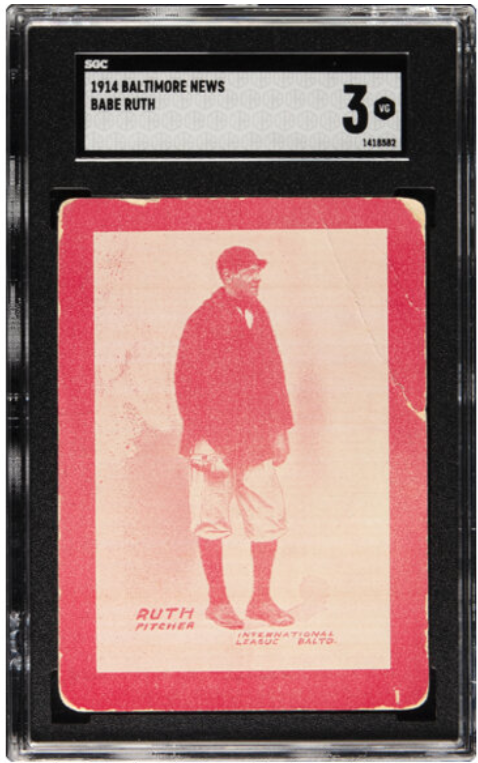
The $4 Million Babe Ruth card (image courtesy Heritage Auctions).
A 1914 Babe Ruth rookie baseball card sold a few weeks ago for an astronomical price of $4,026,000. You might think the seller was very happy with that, but probably not. That price represented a $3 million loss from what it was purchased for just two years ago. The price from December 2023 was $7.2 million. It was the third highest price ever paid for a baseball card, trailing only a Mickey Mantle rookie card that sold for an even more astonishing price of $12.6 million in 2022 and $7.25 million paid for a Honus Wagner card. The Mantle card makes the $7.2 million spent for the Ruth card almost seem like a bargain. If I owned the Mantle card I would not try to sell it now.
This is almost certainly the largest ever loss on a baseball card, probably any trading card, ever. The natural question is, “what happened?” This one isn't so easy to answer.
The problem isn't the card itself. It is of major importance, at least in terms of baseball card collecting. There is no more iconic figure in the history of baseball than the “Sultan of Swat,” Babe Ruth. He was not only arguably the greatest player but also likely its greatest personality. He was no teetotaling, clean-cut, milquetoast personalty and the fans (at least most of them) loved him for it. However, when this card was printed in 1914, Ruth was but an unknown minor league pitcher, pitching for the Baltimore Orioles, not the current major league team but the International League Baltimore Orioles of long ago. This Baltimore News card is the first Babe Ruth baseball card ever published.
Why then did it lose $3 million in value in the last two years? Discussions on sports card collector sites have speculated about various possibilities, such as card condition, but the most cogent explanation is that it was never worth $7.25 million in the first place. Collectibles of all sorts have experienced great price inflation in recent years. In 2023, after emerging from the period of Covid isolation, money often flowed too freely. Even the stock market has seen prices inflate to extreme levels, with its sustainability in question. The issue may be that it was swept up on a tide of optimism and giddiness that couldn't last. It reminds us of the Jerome Kern rare book sale in 1929, just before the stock market crash. Kern sold his books for the peak “Roaring Twenties” prices, with the buyers left with books that took 20 years to recover their 1929 prices.
Is there a lesson in this? Of course there is. Will we learn it? No. We never do. Maybe for a little while we do, but when the next “bubble” comes along, we will jump in. It's human nature. It's why the government can sell billion dollar lottery tickets that everyone buys and no one wins. We dream big. Paying $7 million, or even $4 million for a 2 5/8” x 3 5/8” piece of cardboard with a picture on it is ridiculous. This operates much like a Ponzi scheme. It works so long as someone else will pay even more for what you purchased. When you're the one who holds the merchandise when no one is willing to pay more, you are the inevitable loser. Many people made some serious money on the way up, while one person took a beating in the end. Tread carefully. Never, never, never pay more for a baseball card, a book, or anything else than you can afford to lose. S*** happens. Be prepared.
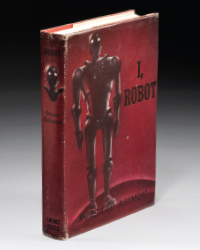
Heritage, May 13: Isaac Asimov. I, Robot. The dedication copy, inscribed to John W. Campbell, Jr.
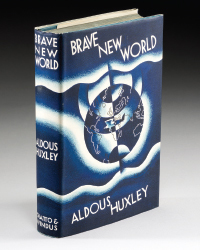
Heritage, May 13: Aldous Huxley. Brave New World. A fine copy, in a brilliant dust jacket.
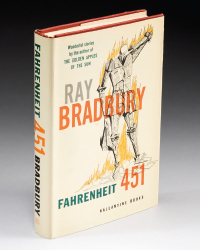
Heritage, May 13: Ray Bradbury. Fahrenheit 451. Presentation copy, inscribed by the author.
Heritage, May 13: Robert A. Heinlein. Stranger in a Strange Land. A fine copy, signed by the author.
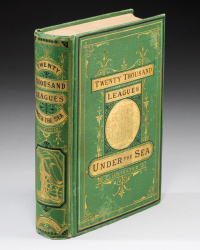
Heritage, May 13: Jules Verne. Twenty Thousand Leagues Under the Seas. Exceedingly rare true first American edition, first issue.
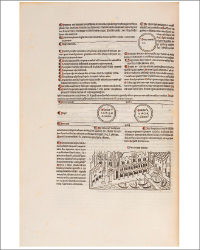
Bonhams, May 5 and Apr. 27 – May 6: 1481 ❧ THE FIRST VIEW OF VENICE. ROLEWINCK, WERNER. 1425-1502. $8,000 - $12,000.
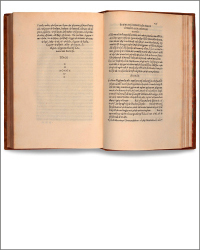
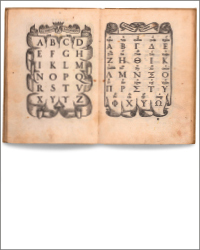
Bonhams, May 5 and Apr. 27 – May 6: 1496 ❧ GREEK INCUNABLE. MANUTIUS, ALDUS. 1449-1515. $15,000 - $25,000
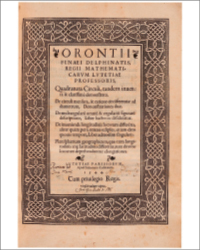
Bonhams, May 5 and Apr. 27 – May 6: 1544 ❧ THE SQUARING OF THE CIRCLE. FINÉ, ORONCE. 1494-1555. $4,000 - $6,000
Bonhams, May 5 and Apr. 27 – May 6: 1544 ❧ ONE OF THE MOST BEAUTIFUL SCIENTIFIC BOOKS OF THE RENAISSANCE. $12,000 - $18,000
Bonhams, May 5 and Apr. 27 – May 6: 1544 ❧ RENAISSANCE CYPHERS AND REBUSES. PALATINO, GIOVANNI BATTISTA. 1515-1575. $3,000 - $5,000
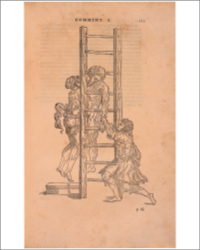
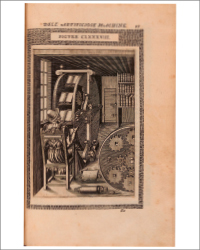
Bonhams, May 5 and Apr. 27 – May 6: 1588 ❧ "ONE OF THE MOST ELEGANTLY PRODUCED OF ALL TECHNOLOGICAL TREATISES." $15,000 - $25,000
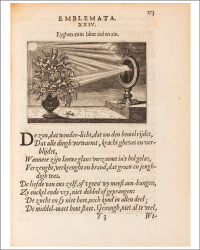
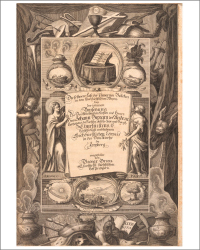
Bonhams, May 5 and Apr. 27 – May 6: 1618 ❧ THREE DUTCH EMBLEM BOOKS BY DANIEL HEINSIUS BOUND IN ONE. $5,000 - $8,000
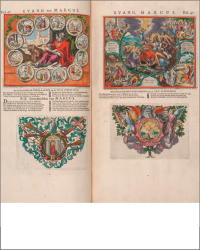
Bonhams, May 5 and Apr. 27 – May 6: 1710 ❧ A BEAUTIFULLY COLORED "PRINT BIBLE". BASNAGE, JAKOB. 1653-1723. $12,000 - $18,000
Bonhams, May 5 and Apr. 27 – May 6: 1818 ❧ EARLY COLOR LITHOGRAPHY. BARTH, JOHANN AUGUST. 1765-1818. $8,000 - $12,000
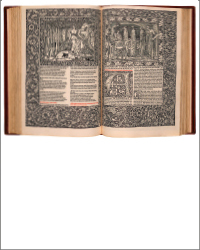
Bonhams, May 5 and Apr. 27 – May 6: 1896 ❧ KELMSCOTT CHAUCER: THE FINEST BOOK SINCE THE GUTENBERG BIBLE. $60,000 - $90,000
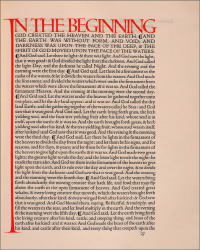
Bonhams, May 5 and Apr. 27 – May 6: 1903 ❧ DOVES PRESS MAGNUM OPUS: THE DOVES BIBLE. $10,000 - $15,000
Bonhams, May 5 and Apr. 27 – May 6: 1680 ❧ FREIBERG FÊTE BOOKS FROM THE GOURARY COLLECTION. $1,000 - $1,500
One of a Kind Auctions Tesla, Einstein & The American Presidency: Rare Historical Documents Ending April 30, 2026
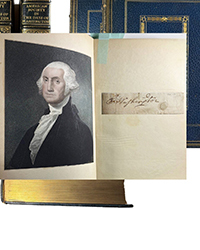
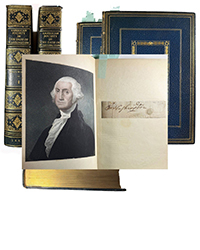
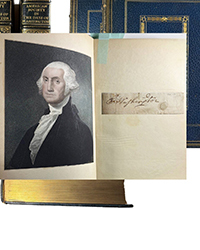
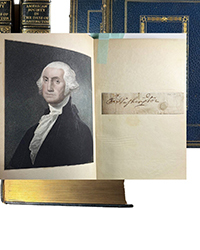
One of a Kind Auctions, Apr. 30: The Republican Court; Autographs of George Washington, (Signers) Thomas Jefferson, Benjamin Harrison, John Dickinson, Charles Carroll of Carrollton and More!
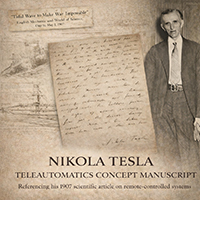
One of a Kind Auctions, Apr. 30: Nikola Tesla Signed Holograph Manuscript Page from "Tidal Wave to Make War Impossible," Describing the World's First Conceived Remotely Operated Weapon of Mass Naval Destruction.
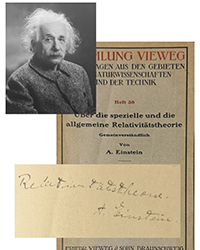
One of a Kind Auctions, Apr. 30: Albert Einstein — Incredible possibly Unique Signed & Inscribed Einsteins hand “Relativitätstheorie / A. Einstein” Booklet: Relativitätstheorie, 10th Ed., 1920, Original Wrappers.
One of a Kind Auctions Tesla, Einstein & The American Presidency: Rare Historical Documents Ending April 30, 2026
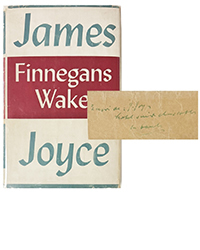
One of a Kind Auctions, Apr. 30: James Joyce Personal Copy of Finnegan's Wake (With Signature).
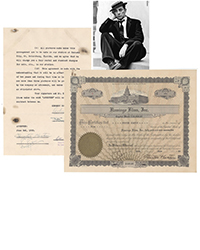
One of a Kind Auctions, Apr. 30: Buster Keaton Flamingo Films / Kennedy Productions Archive Group, 1933–1937.
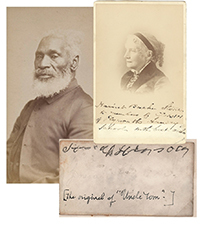
One of a Kind Auctions, Apr. 30: Extremely rare Josiah Henson (Uncle Tom) Signature & Harriet Beecher Stowe Cabinet Card.
One of a Kind Auctions Tesla, Einstein & The American Presidency: Rare Historical Documents Ending April 30, 2026
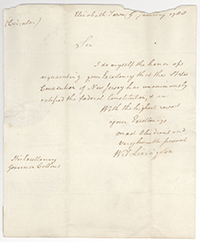
One of a Kind Auctions, Apr. 30: William Livingston (Signer of DOI), the New Jersey State Convention had unanimously ratified the Federal Constitution.
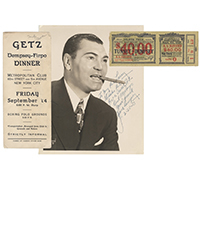
One of a Kind Auctions, Apr. 30: Complete 1927 Tunney-Dempsey "Long Count" Fight Ticket Signed by George Getz, with 1923 Dempsey-Firpo Dinner Card and Jack Dempsey Signed Photograph.
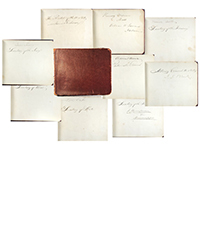
One of a Kind Auctions, Apr. 30: James Buchanan Cabinet Signed Autograph album
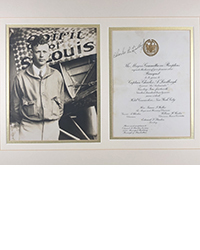
One of a Kind Auctions, Apr. 30: CHARLES LINDBERGH SIGNS HIS NEW YORK CITY MAYORAL BANQUET INVITATION, JUNE 14, 1927 — THREE WEEKS AFTER THE TRANSATLANTIC FLIGHT
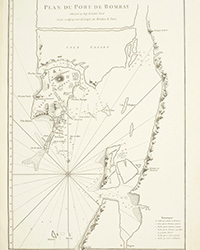
Gros & Delettrez, May 5: APRÈS de MANNEVILLETTE, Jean-Baptiste d’- Le Neptune Oriental.
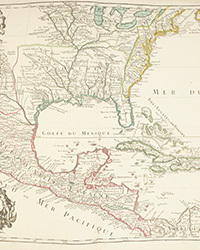
Gros & Delettrez, May 5: DELISLE, Guillaume – Atlas françois,1725.
Gros & Delettrez, May 5: HONTER. SOPHOCLE - Recueil composite réunissant deux ouvrages.
Gros & Delettrez, May 5: PHÉROTÉE DE LA CROIX, A. - Algemeene weereld-beschryving.
Gros & Delettrez, May 5: LA PÉROUSE, Jean-François de Galaup de - Voyage autour du monde.
Gros & Delettrez, May 5: BLAEU, Guillaume & Jean -Septième volume de la Géographie Blaviane.
Gros & Delettrez, May 5: TATIKIAN, Boğos - Figures et costumes du Levant.
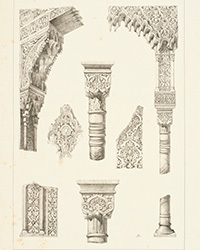
Gros & Delettrez, May 5: GIRAULT DE PRANGEY, Joseph-Philibert -Monument arabes et moresques de Cordoue, Séville et Grenade.
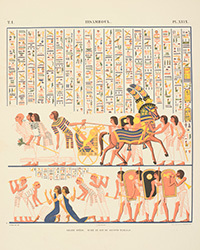
Gros & Delettrez, May 5: CHAMPOLLION le jeune. Monuments de l’Egypte et de la Nubie.
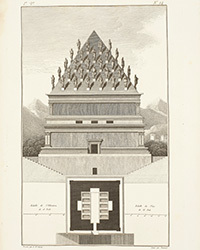
Gros & Delettrez, May 5: CASSAS, Louis-François. - Voyage pittoresque de la Syrie, de la Phénicie, de la Palestine et de la Basse Egypte.
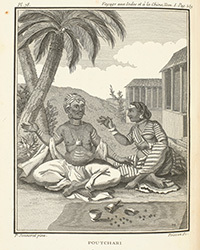
Gros & Delettrez, May 5: SONNERAT, Pierre. Voyage aux Indes orientales et à la Chine.
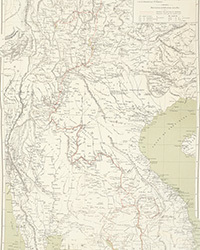
Gros & Delettrez, May 5: GARNIER, Francis. Voyage d'exploration en Indo-Chine.
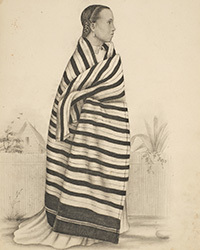
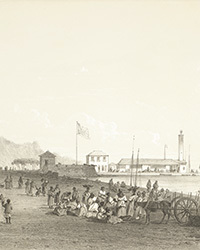
Gros & Delettrez, May 5: SUBERBIE, Alix (E. SMITH). Dessins et aquarelles de Madagascar.
Gros & Delettrez, May 5: BYRON -Viage del comandante Byron.
Sotheby’s Précieuses reliures d’une bibliophile Collection Georgette J. Salles Open for bidding 8-29 April
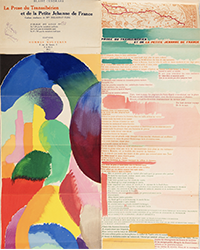
Apr. 8-29: Delaunay, Sonia — Blaise Cendrars. La Prose du Transsibérien. 1913. €120,000 to €180,000.
Apr. 8-29: Picasso, Pablo — Georges Hugnet. La Chèvre-feuille. 1943. €80,000 to €120,000.
Apr. 8-29: Schmied, François-Louis ─ Joseph-Charles Mardrus. Cantique des cantiques. 1925. €30,000 to €50,000.
Apr. 8-29: Bonnard, Pierre — Paul Verlaine. Parallèlement. 1900. €30,000 to €50,000.
Apr. 8-29: Derain, André — Guillaume Apollinaire. L’Enchanteur pourrissant. 1909. €20,000 to €30,000.