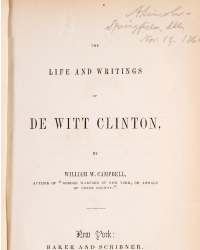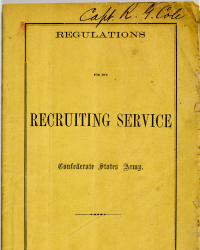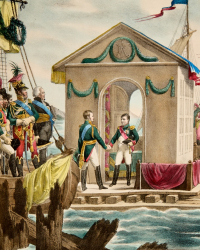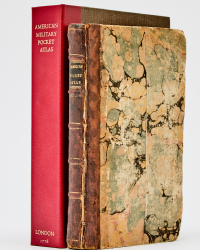
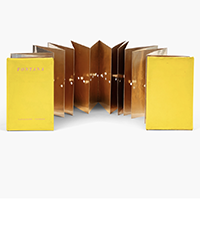
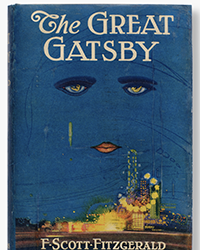
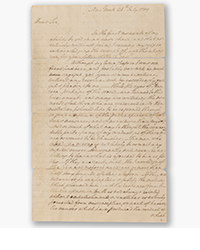
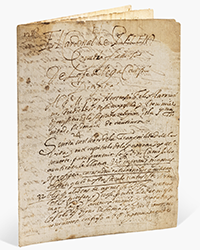
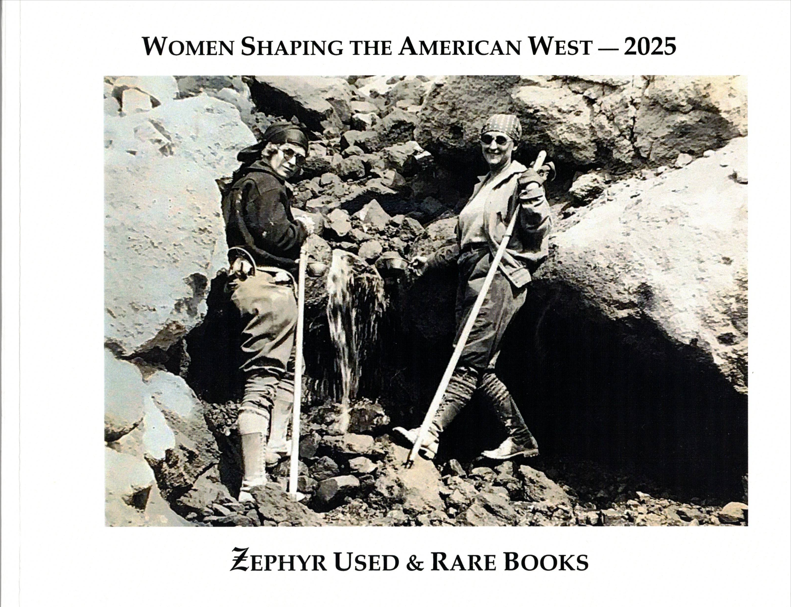
Zephyr Used & Rare Books has issued a catalogue of Women Shaping The American West – Catalogue 2025. It contains 125 items written by women, many about women as well. Zephyr reminds us that women in the 18th and 19th century, the time of these books, lacked the rights or opportunities afforded men. The women described, and the authors themselves, had to overcome serious disadvantages to accomplish all they did. They did it all because they had to. A woman's work is never done. Here are a few selections from this catalogue.
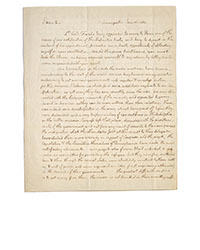
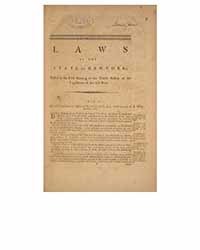
Few women in the United States were able to vote until the passage of the 19th Amendment in 1920. One exception, at least for a while, was the future Washington State. Item 36 is Laws of the Territory of Washington, enacted by the Legislative Assembly, in the Year 1883... That was the year a law was passed which which provided that “All American citizens above the age of twenty-one years, and all American half-breeds above that age, who have adopted the habits of the whites, and all other inhabitants of this Territory above that age who shall have declared on oath their intention to become citizens, at least six months previous to the day of election, and shall have taken an oath to support the Constitution of the United States and the Organic Act of the Territory at least six months previous to the day of the election, and who shall have resided six months in the Territory and thirty days in the county next preceding the day of election, and none other, shall be entitled to hold office and vote at any election in this Territory.” Only two states or territories granted women the full right to vote prior to Washington. However, the power was soon taken away. When Washington was granted statehood in 1889, no provision was passed to grant woman's suffrage. It wasn't until 1910 that the state constitution was amended to once again grant women the right to vote. Item 36. $450.
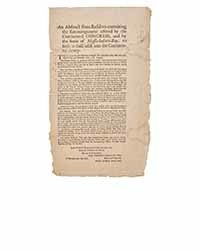
For those interested in the history of movies, this collection of 18 printed broadsides will be special. They go back to the earliest days of film. Most of them have in large type near the top, the heading “Pictures.” They promote movies to be shown at the theater in the Donnelly Hotel in Tacoma, Washington. They provide “continuous entertainment.” They feature films from Edison Moving Pictures. You probably won't know them as these were short films and they certainly precede the golden age of American Film. They are from 1898-1904. The theater, known as the Searchlight, was owned by a woman, Sally Chandler Sloan, and managed by James McConahey. The idea of a fixed movie theater evidently was less than a roaring success as the Searchlight shut down after a few years and movies were again shown the way they used to be, by touring companies. People didn't want to go to the movies on a regular basis. Item 111. $1,250.
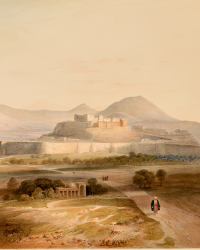
Mary Austin was a noted conservationist at the turn of the twentieth century. She wrote primarily about land in the American Southwest. She was interested not only in natural features but also the culture of those who preceded the American settlers – the Mexicans and Native Americans. She is known for her description of the deserts from the Southwest to the Pacific coast. Her best known book is The Land of Little Rain. However, she wrote several others and this is one of them – California: the Land of the Sun, published in 1914. She describes the land, its people and history. That takes her from the high altitudes of the Sierra Mountains to sea level along the coast. California was a different place then, more natural beauty that has given way to large cities, traffic, and superhighways. Even in her time, changes had begun, as water diversion projects to serve the population of Los Angeles was turning once verdant river valleys into a dust bowl. One can only imagine how she would feel about California today. Austin wrote the book while the paintings that illustrated it were created by Sutton Palmer. Item 6. $395.
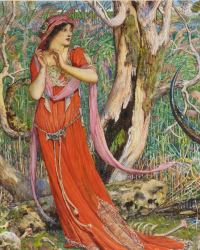
Helen Hunt Jackson also wrote about California, but it was not about the beauty of its natural surroundings. It was about the mistreatment of some of its people, specifically, its earliest inhabitants. America's natives were poorly treated everywhere, especially as we go back to the nineteenth century. Jackson was a poet and also wrote some lighter fair. In 1879, she went to hear a lecture by Chief Standing Bear. Her life would never be the same. She devoted the rest of her life to trying to right the terrible wrong. She wrote a book called Century of Dishonor and sent a copy to every member of Congress. It didn't have the impact she hoped for, so she decided she needed to reach the American people. She concluded that dry facts wouldn't do the trick, so she wrote a novel. The book is Ramona. A Story... The heroine is a half-breed Indian/white, and her struggles reached the hearts of many people. As a human story, readers could better understand what life was like for America's natives. Unfortunately, Jackson died within a year of its first publication limiting her ability to provide much follow through. Item 55 is a copy from the first Monterey edition, published in 1900. $250.
We think of Japanese internment as an American sin, but the same blight on the nation was occurring north of the border. The forced removal began in 1942, and Japanese didn't regain full freedom of movement until 1949, almost four years later than in America. Most were Canadian citizens but it didn't matter. If you were ethnically Japanese, you were moved. Most Japanese Canadians lived in British Columbia. First they were moved farther inland in British Columbia, but later to more inland provinces as well. Their property was seized, often sold and used to fund their internment. Item 116 is A Child in Prison Camp, published in 1974. The author is Shizuye Takashima, herself a prisoner. Takashima has provided the illustrations of the prison camp. She tells of being stripped of their civil rights and herded into railroad cars bound for New Denver. Offered is a first U.S. Edition. $75.
Zephyr Used & Rare Books may be reached at 360-695-7767 or zephyrbook@gmail.com.